

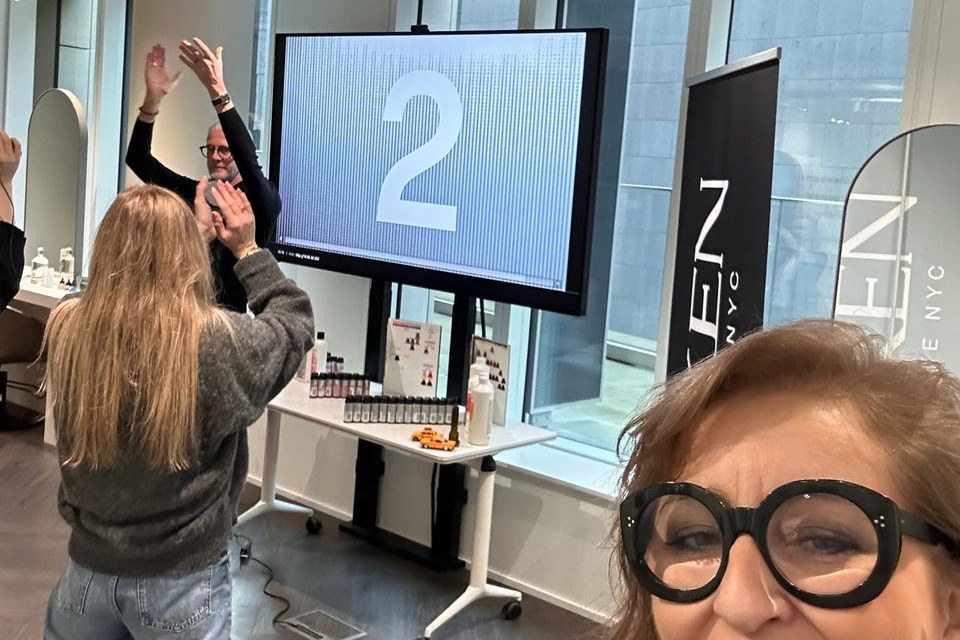
A conference is often one speaker, a lectern and an audience that listens. A training session is the exact opposite: constant exchanges, questions, group exercises, demonstrations. For the interpreter, it’s a fascinating but very demanding setting. And for the organiser, there are a few pitfalls to avoid.
Challenge no. 1: interactivity
In a training session, people talk back and forth. The trainer asks a question, three participants answer at once, another chimes in laughing. The interpreter has to keep up without losing anyone. This requires:
- microphones for participants, or clear rules on who speaks when;
- a trainer willing to repeat questions from the floor;
- an interpreter able to switch from one language to the other in an instant, if the training is bilingual in both directions.
Challenge no. 2: very concrete technical jargon
Training is meant to be applied. It deals with precise procedures, spare parts, in-house software and safety rules. An approximation isn’t just clumsy: it can lead to incorrect handling.
That’s why preparation is crucial. Training materials, manuals and procedure sheets are my best allies. A good glossary, validated by the trainer if possible, makes all the difference.
Challenge no. 3: duration
A training course often lasts one, two or even five full days. Fatigue sets in, for participants and interpreter alike. Booking two interpreters for a full day of simultaneous isn’t a luxury: it’s what ensures the afternoon is interpreted as well as the morning.
Challenge no. 4: out in the field
Workshop tours, demonstrations on a production line, practical exercises outdoors: training often leaves the room. Standard booth equipment is no longer suitable. You then switch to consecutive, whispered interpreting or a portable system (a transmitter and receivers with headsets), often called a “bidule”. This needs to be planned with the organiser.
My advice to organisers
- Involve the interpreter early: share the programme, the materials and the participants’ profile as soon as possible.
- Brief the trainer: speak at a reasonable pace, avoid reading slides too fast, announce changes of topic.
- Provide suitable equipment for each part of the programme: room, workshop, outdoors.
- Schedule regular breaks: everyone benefits, and learning improves.
- Debrief at the end of each day: a word about the next day’s vocabulary, a clarification of an acronym, and the following day will run even more smoothly.
What an interpreter brings to a training session
Good interpreting doesn’t just translate. It allows participants to learn in their own language, and therefore better and faster. They dare to ask questions, grasp the nuances and retain more. For the company, it’s a real return on investment: a training course that is understood is a training course that is applied.
Organising training for international teams? It’s my speciality. Contact me to discuss it from the design stage.